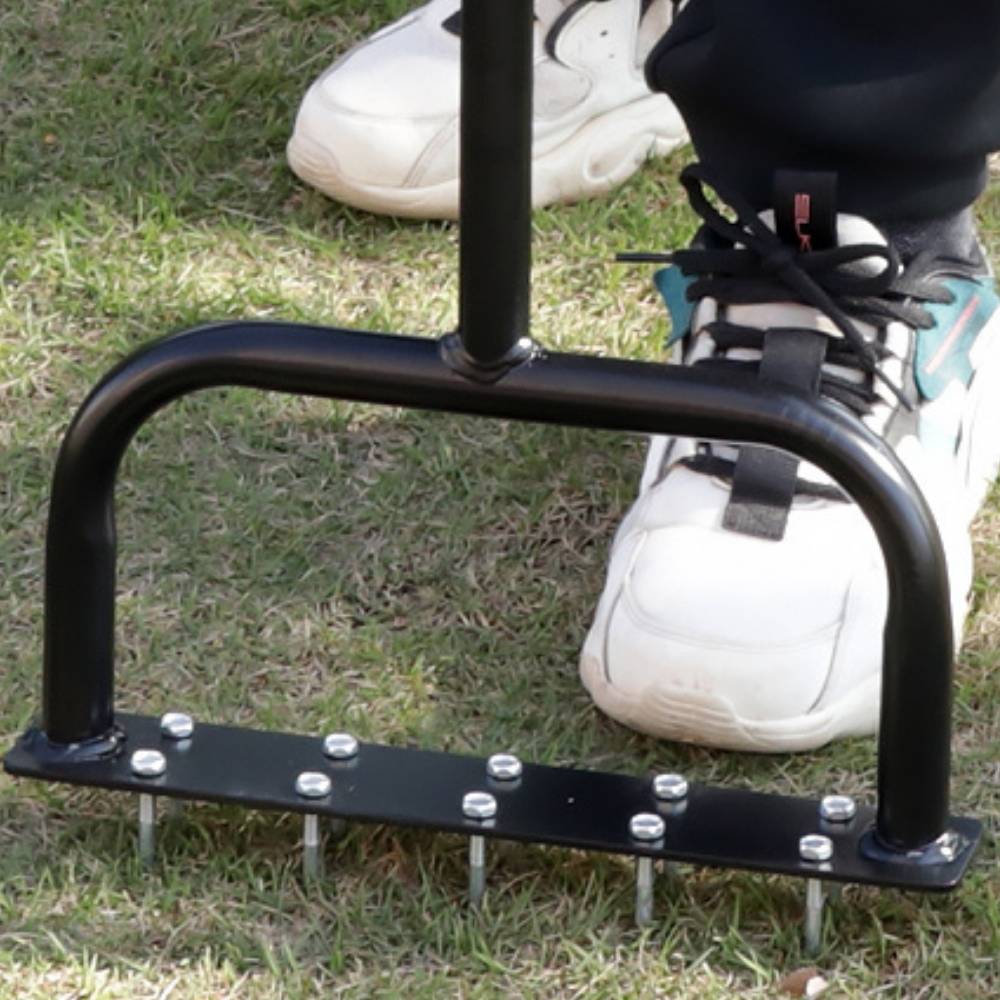
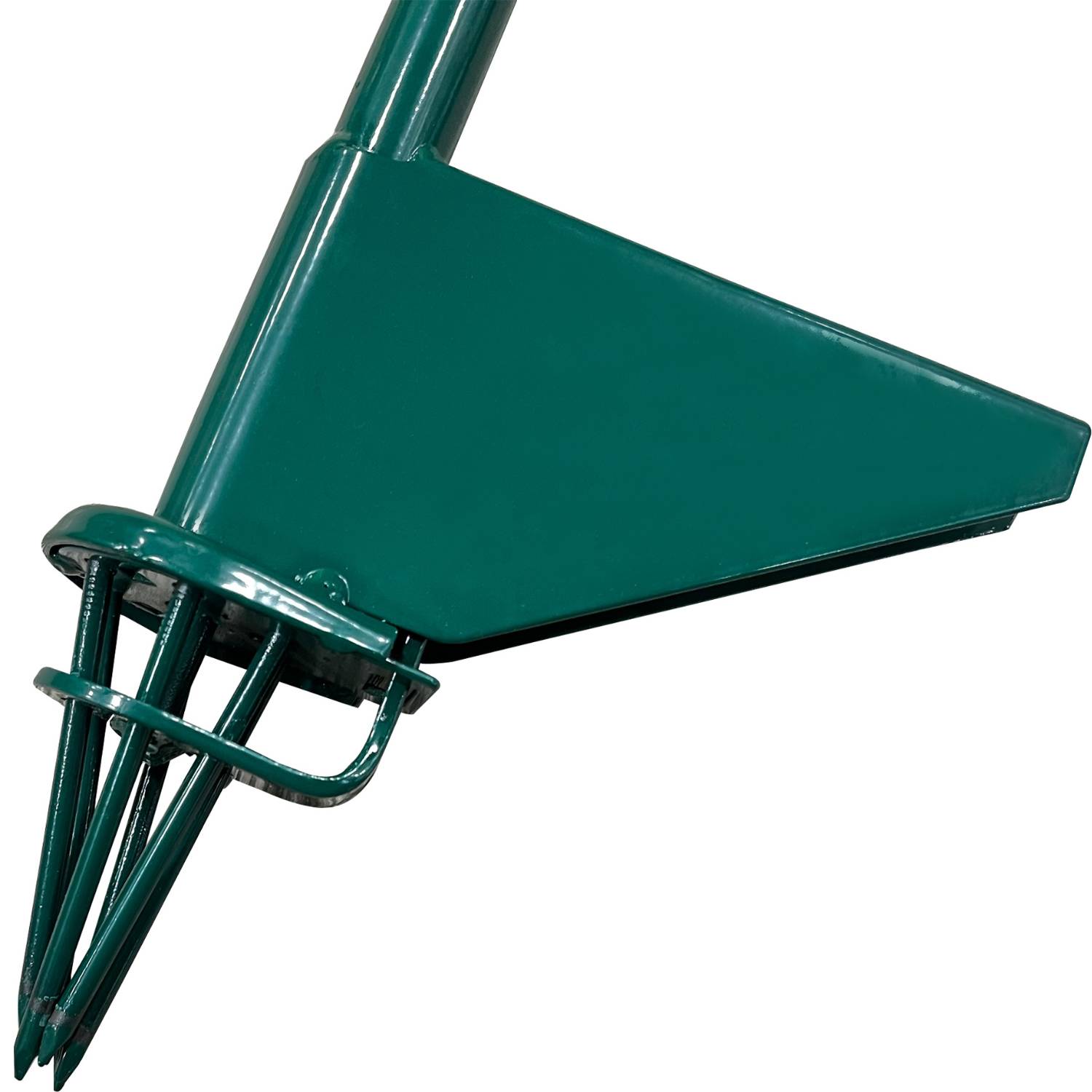
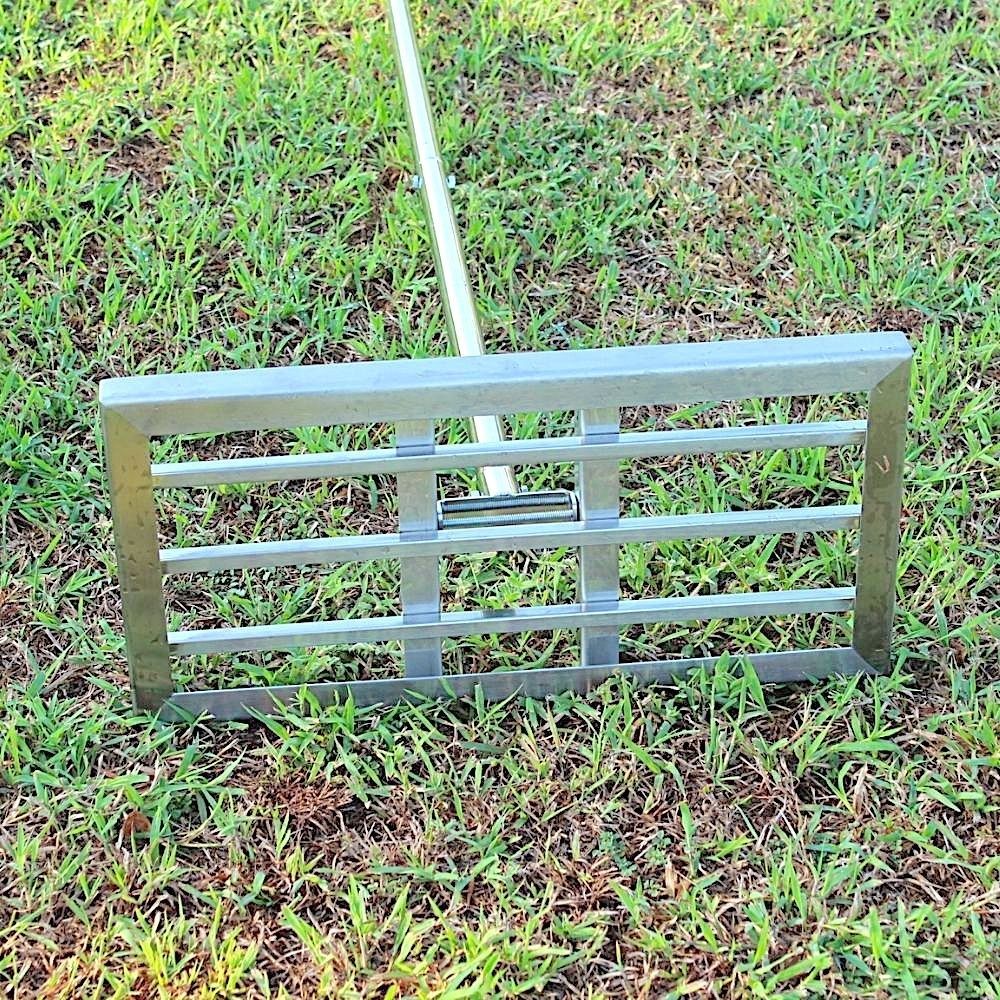
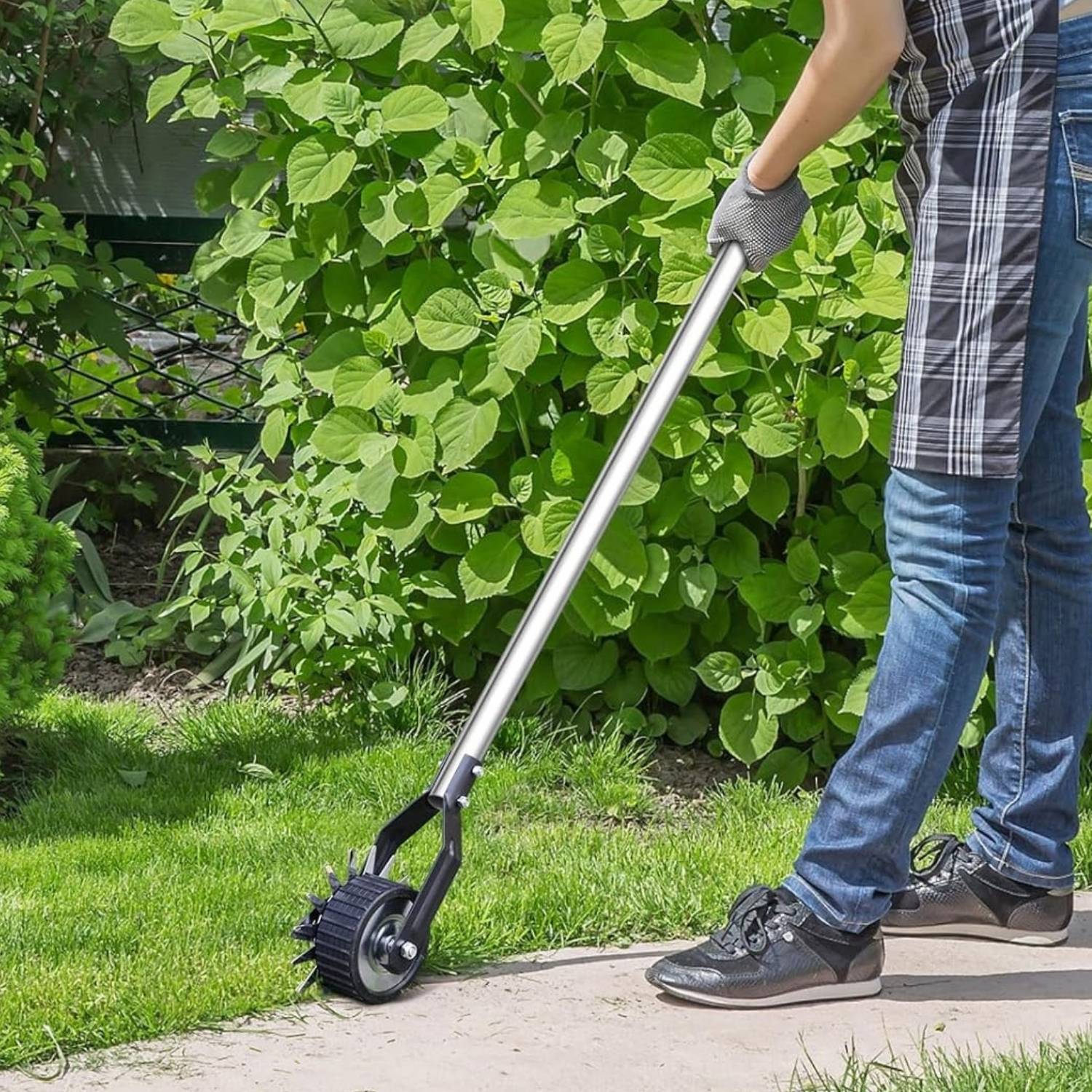
Landscaping Tools | Lawn Tools | Garden Equipment
Professional Grade
Landscaping Tools & Equipment
From precision hand tools for detailed garden care to powerful equipment for large-scale projects, our curated collection features durable, ergonomic tools that work with your body instead of against it.
Whether you're creating pristine edges, maintaining healthy lawns, or tackling seasonal cleanup, these premium tools deliver the performance and reliability that turn weekend warriors into landscape masters.
Fast shipping all across the USA.
Best Landscaping Tools: Your Complete Guide to Professional-Grade Equipment
Have you ever wondered why some homeowners seem to effortlessly maintain picture-perfect landscapes while others struggle with basic yard work despite investing countless hours and considerable effort? The secret isn't a green thumb or unlimited time - it's having the right best landscaping tools that multiply your efficiency while reducing the physical toll that traditional approaches demand. When you invest in quality equipment designed for your specific needs, outdoor maintenance transforms from exhausting drudgery into satisfying work that you can actually accomplish without spending your entire weekend in recovery mode.
Picture this scenario that most property owners face: your neighbor's yard looks like it stepped out of a magazine spread, with crisp edges, perfectly trimmed plants, and not a single weed in sight, while your own landscape reveals every shortcut and compromise you've made with inadequate tools. You know what needs to be done, but the prospect of tackling it with the wrong equipment makes even simple tasks feel overwhelming. This frustration isn't about your capabilities - it's about having tools that work against you instead of with you.
The transformation that comes with upgrading to professional-quality equipment extends far beyond simple efficiency gains. When you equip yourself with the best lawn tools for your specific property and maintenance style, you're not just buying equipment - you're investing in the capability to maintain your outdoor spaces according to your standards without compromising your time, energy, or physical well-being. Quality tools become extensions of your intentions, making expert-level results achievable regardless of your experience level.
Essential Categories of Professional Landscaping Equipment
Understanding the fundamental categories of landscaping equipment helps you build a comprehensive toolkit that handles every aspect of property maintenance efficiently and effectively.
Cutting and Trimming Tools
Cutting tools form the backbone of landscape maintenance, handling everything from precision pruning to large-scale brush clearing. Quality cutting tools maintain sharp edges, provide comfortable operation, and deliver clean cuts that promote plant health while creating professional-looking results.
The best landscaping tools in this category combine ergonomic design with superior metallurgy that holds edges through demanding use while remaining comfortable during extended work sessions.
Soil Preparation and Cultivation Equipment
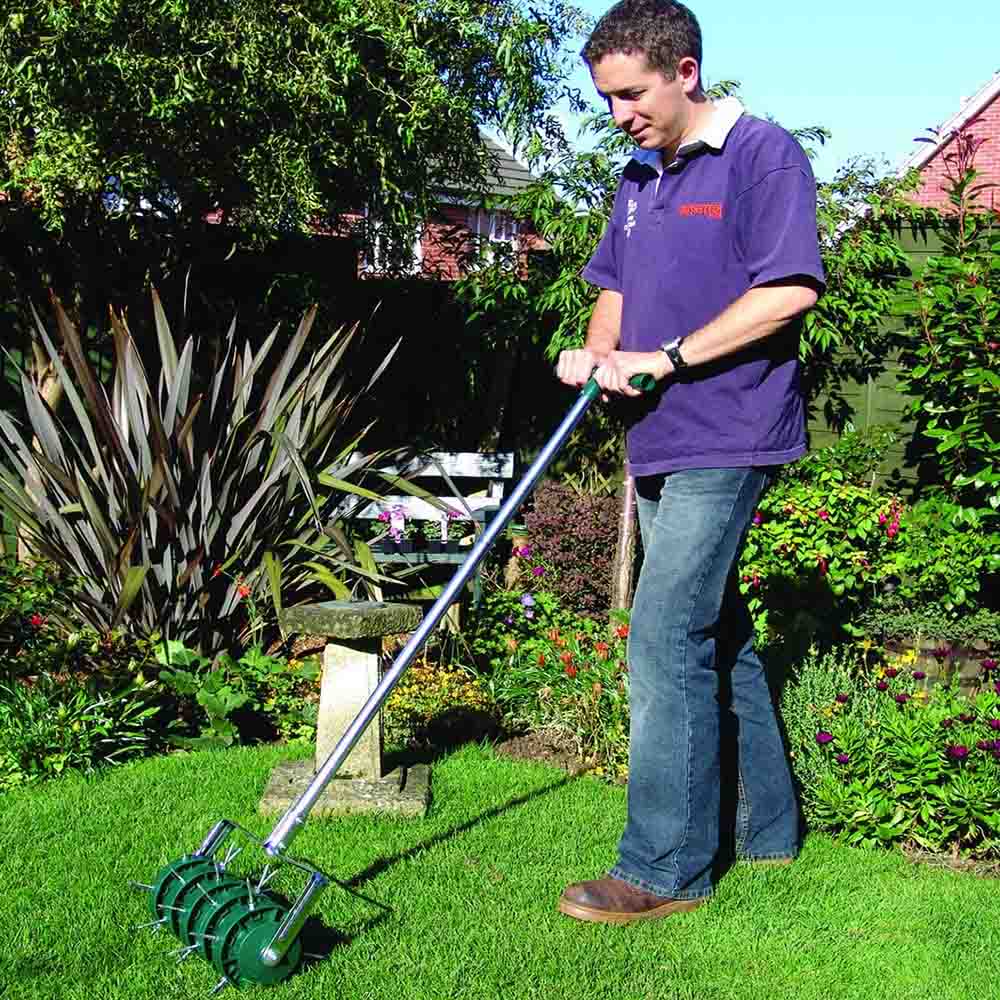
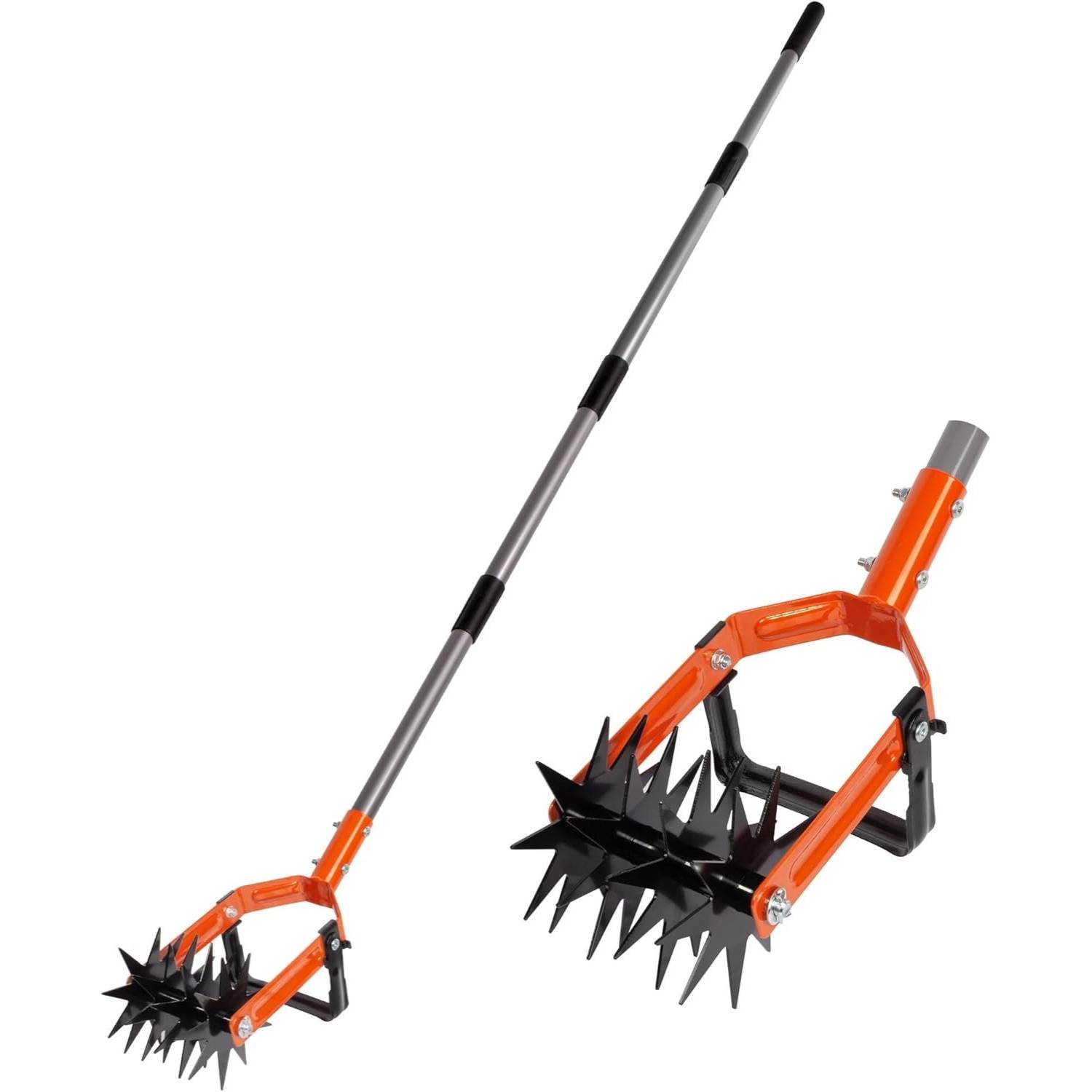
Healthy landscapes begin with proper soil preparation, making cultivation tools essential for both new installations and ongoing maintenance. These tools break up compacted soil, incorporate amendments, and create optimal growing conditions that support thriving plants.
Professional-grade cultivation equipment works efficiently in various soil conditions while providing the durability needed for seasons of demanding use in challenging outdoor environments.
Watering and Irrigation Systems
Efficient watering equipment ensures your plants receive optimal moisture while conserving water and minimizing the time required for irrigation management. Modern watering tools range from precision hand tools to automated systems that provide consistent results.
Quality watering equipment delivers water where it's needed most while providing the control and efficiency that make proper irrigation practical for busy homeowners.
Hand Tools: Precision Equipment for Detailed Work
Hand tools provide the precision and control needed for detailed work that larger equipment cannot accomplish effectively. Quality hand tools become extensions of your hands, providing the tactile feedback and fine control essential for expert-level results.
Pruning and Cutting Hand Tools
Quality pruners, loppers, and hand saws enable precise cuts that promote plant health while creating clean, professional appearances. The best garden equipment in this category features bypass action that crushes stems minimally while providing smooth operation through thousands of cuts.
Sharp, properly maintained cutting tools require less effort while producing superior results that benefit both plant health and overall landscape appearance.
Cultivation and Planting Hand Tools
Hand cultivation tools provide the precision needed for working around established plants and in confined spaces where larger tools would cause damage. These tools excel at detail work that determines the difference between amateur and professional-looking installations.
Quality hand tools feature comfortable grips, balanced designs, and durable construction that maintains performance through extended use in demanding conditions.
Specialty Hand Tools for Specific Tasks
Specialized hand tools address specific challenges like weed removal, soil testing, or precision planting that general-purpose tools cannot handle effectively. These tools provide solutions for problems that would otherwise require time-consuming workarounds.
Investing in appropriate specialty tools often proves more economical than struggling with inadequate general-purpose alternatives that produce inferior results while requiring excessive time and effort.
Power Tools: Efficiency for Large-Scale Projects
Power tools provide the muscle needed for large-scale projects and demanding tasks that would be impractical with manual equipment alone. Modern power tools balance performance with user comfort to make challenging work achievable.
Lawn Mowers and Cutting Equipment
Mowing equipment ranges from precision reel mowers for premium lawn care to heavy-duty brush cutters for challenging terrain. The best lawn tools in this category provide consistent cut quality while offering the durability needed for regular use in varying conditions.
Choose mowing equipment based on your grass type, terrain challenges, and quality standards rather than simply selecting the least expensive option that meets basic requirements.
Trimmers and Edge Maintenance Tools
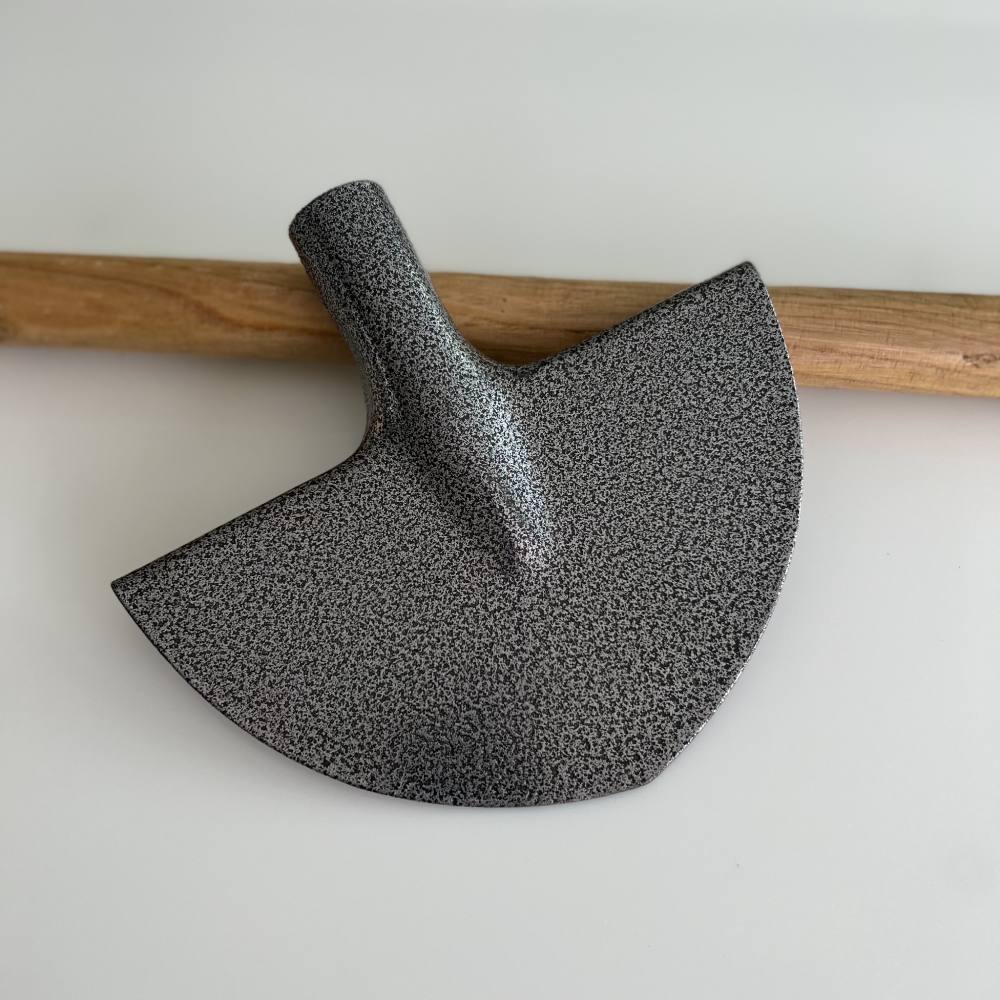
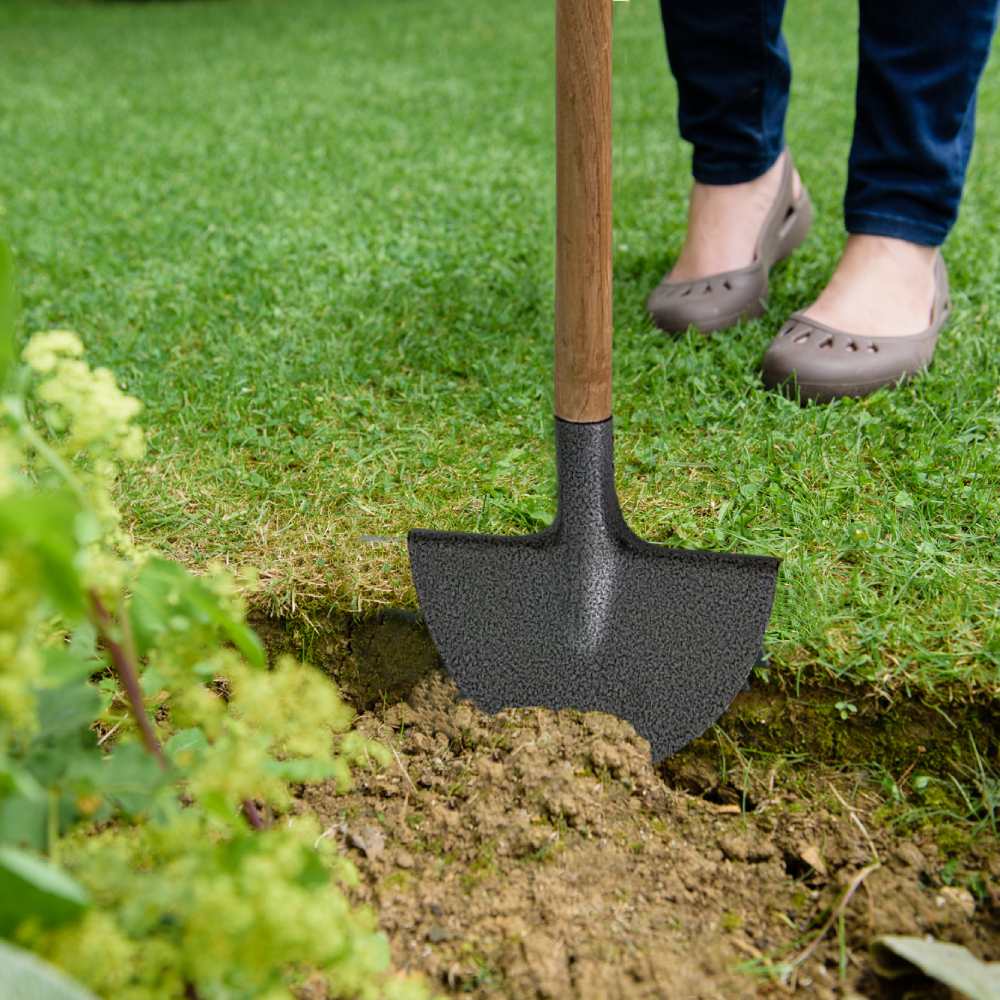
String trimmers and edgers create the clean lines that distinguish professional-looking landscapes from amateur efforts. Quality trimming equipment provides precise control while delivering consistent results along borders and around obstacles.
Professional-grade trimmers balance power with maneuverability to handle both light precision work and demanding cutting tasks without requiring multiple tools for different applications.
Cultivation and Soil Preparation Power Tools
Power cultivation tools make large-scale soil preparation practical for homeowners who would otherwise need to hire professional services. These tools break up compacted soil and incorporate amendments efficiently while providing results that support successful plantings.
Quality cultivation equipment works effectively in various soil conditions while providing the durability needed for occasional intensive use without frequent repairs or replacement.
Selection Criteria for Professional-Quality Tools
Choosing equipment that will serve you well requires understanding which features actually impact long-term performance versus those that are merely cosmetic enhancements or marketing claims.
Build Quality and Material Selection
Premium landscaping tools feature materials and construction techniques that ensure reliable performance through demanding outdoor use. Quality materials resist corrosion, maintain structural integrity, and provide the durability that justifies higher initial investment.
Look for tools with reinforced stress points, quality fasteners, and construction details that suggest attention to long-term durability rather than just attractive initial appearance.
Ergonomics and User Comfort
Comfortable tools reduce fatigue and improve control during extended work sessions. The best landscaping tools feature ergonomic designs that work with your natural body mechanics rather than fighting against them.
Consider your physical capabilities and typical work patterns when evaluating ergonomic features that can make the difference between tools you enjoy using and those that remain unused due to discomfort.
Versatility and Multi-Function Capabilities
Tools that handle multiple related tasks provide better value while reducing storage requirements and simplifying maintenance routines. However, versatility should not come at the expense of primary function performance.
Evaluate multi-function tools based on how well they perform their primary intended use rather than being impressed by secondary capabilities that you may rarely need.
Budget Planning and Investment Strategies
Building a comprehensive toolkit requires strategic planning that balances immediate needs with long-term capabilities while staying within realistic budget constraints.
Priority-Based Tool Acquisition
Start with essential tools that address your most frequent or challenging maintenance tasks, then gradually expand your toolkit as needs become apparent and budget allows. This approach ensures you get maximum value from each purchase.
Focus on quality tools for tasks you perform regularly while accepting adequate performance for occasional-use items until usage patterns justify premium upgrades.
Quality vs. Price Considerations
The relationship between price and quality varies significantly among different tool categories and manufacturers. Understanding these relationships helps you make informed decisions that maximize value for your specific needs.
The best garden equipment for your needs may not be the most expensive option available, but it should provide reliable performance and adequate durability for your usage patterns and maintenance requirements.
Long-Term Cost Analysis
Consider total ownership costs including maintenance, replacement parts, and eventual replacement when comparing options. Higher-quality tools often provide better long-term value despite higher initial costs.
Factor in the value of your time and the satisfaction that comes from tools that work reliably when evaluating the economics of different quality levels.
Maintenance and Care for Equipment Longevity
Proper maintenance ensures your investment in quality tools continues delivering reliable performance while extending service life far beyond what casual care would provide.
Cleaning and Storage Best Practices
Regular cleaning prevents the buildup of soil, plant residue, and moisture that can cause corrosion and premature wear. Develop cleaning routines that match your usage patterns and tool requirements.
Proper storage protects tools from weather damage while keeping them organized and readily accessible when maintenance opportunities arise.
Sharpening and Edge Maintenance
Sharp tools work more efficiently and produce better results with less effort. Learn basic sharpening techniques for your cutting tools to maintain peak performance between professional service intervals.
Regular edge maintenance prevents the deterioration that makes restoration difficult or expensive while ensuring consistent performance throughout each tool's service life.
Mechanical Maintenance and Repair
Understanding basic maintenance requirements for power tools ensures reliable operation while preventing costly repairs that result from neglect. Follow manufacturer recommendations for service intervals and procedures.
Address minor issues promptly before they develop into major problems that compromise tool safety or require expensive professional repair services.
Seasonal Tool Requirements and Planning
Different seasons present unique challenges that may require specialized tools or adapted techniques for optimal results and efficiency.
Spring Preparation and Planting Tools
Spring work focuses on soil preparation, planting, and establishment activities that require tools designed for soil cultivation and precise planting operations. The best lawn tools for spring work emphasize soil interaction and plant establishment capabilities.
Plan spring tool needs based on your typical planting schedule and soil improvement projects to ensure you have appropriate equipment when optimal working conditions arrive.
Summer Maintenance and Growth Management
Summer maintenance emphasizes cutting, trimming, and watering activities that keep established landscapes looking their best during peak growing season. Focus on tools that handle repetitive cutting tasks efficiently.
Heat considerations become important for both tool performance and user comfort during summer work sessions that may extend through challenging weather conditions.
Fall Cleanup and Preparation Tools
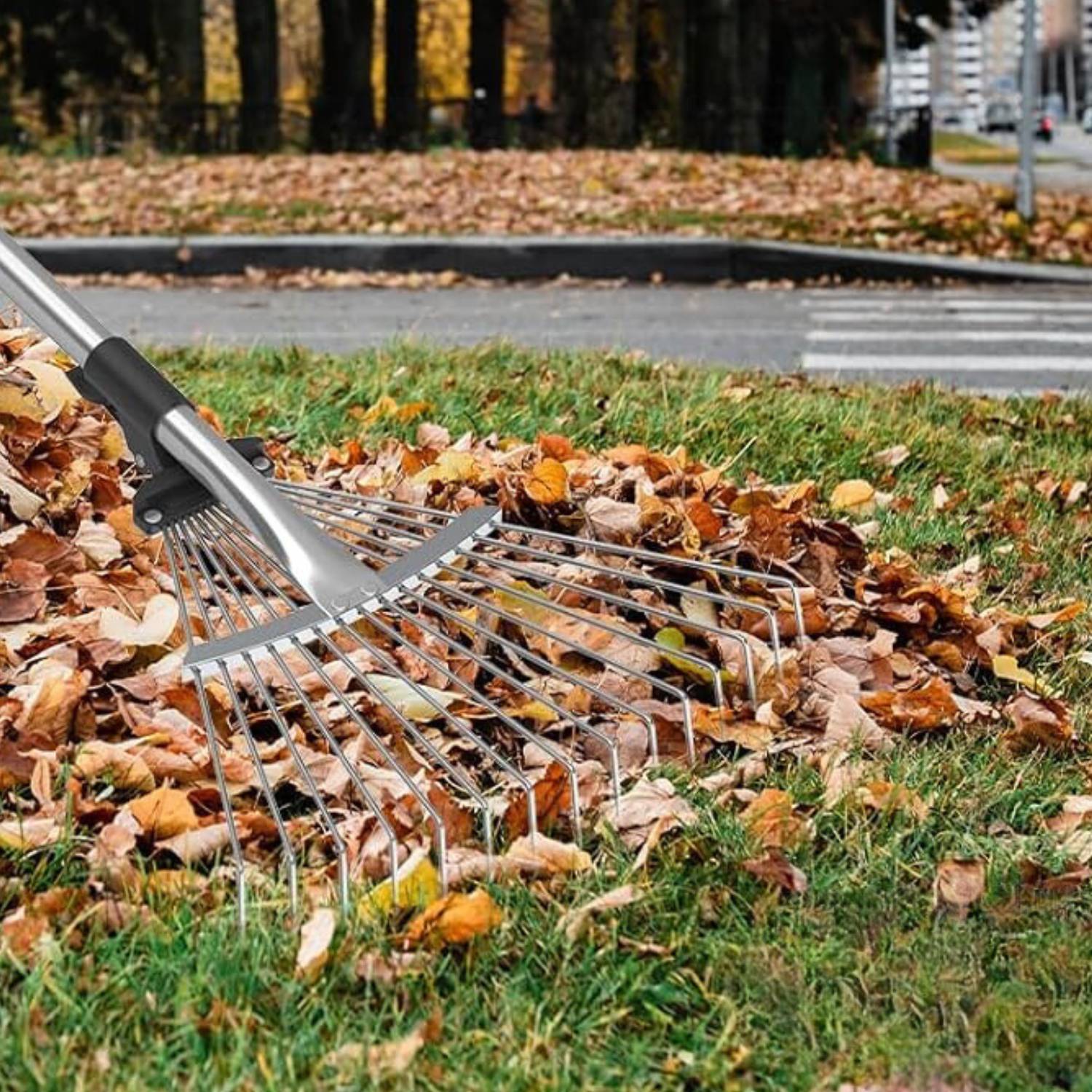
Fall work concentrates on cleanup, pruning, and preparation activities that ready landscapes for winter dormancy. Emphasis shifts to debris management and protective measures that ensure successful spring emergence.
Plan fall tool requirements around your typical cleanup volume and the specific challenges that your landscape presents during seasonal transition periods.
Safety Considerations and Best Practices
Safe tool operation protects both users and bystanders while ensuring that quality equipment continues providing reliable service without damage from misuse or accidents.
Personal Protective Equipment
Appropriate safety equipment helps reduce contact with rough surfaces while allowing you to work confidently with tools that might otherwise present hazards. Invest in quality protective equipment that encourages regular use rather than compromising safety for convenience.
Match protective equipment to your specific tools and working conditions rather than assuming that minimal protection is adequate for all situations.
Tool-Specific Safety Procedures
Different tools present unique safety challenges that require specific awareness and procedures. Understand the safety requirements for each tool in your collection and develop habits that promote safe operation.
Regular safety training and awareness updates help prevent the complacency that can develop with familiar tools that still present real hazards if misused.
Storage and Transportation Safety
Safe storage and transportation practices helps reduce contact with rough surfaces and tool damage while ensuring that equipment remains in good condition and readily accessible when needed.
Organize storage systems that promote safe handling while protecting tools from damage and deterioration that could compromise both safety and performance.
Technology Integration and Smart Tools
Modern landscaping increasingly incorporates technology that enhances efficiency, provides better results, and simplifies complex maintenance tasks.
Automated and Robotic Equipment
Robotic mowers and automated irrigation systems reduce manual labor while providing consistent results that maintain landscape quality with minimal ongoing attention.
Evaluate automated equipment based on your specific needs and property characteristics rather than assuming that automation is always superior to manual approaches.
Smart Monitoring and Control Systems
Smart sensors and control systems provide data and automation capabilities that optimize watering, monitor plant health, and alert you to conditions that require attention.
The best landscaping tools increasingly incorporate technology that enhances rather than complicates basic maintenance tasks while providing information that improves long-term results.
GPS and Precision Equipment
GPS-guided equipment and precision measurement tools enable accurate application of treatments and materials while ensuring consistent coverage and optimal resource utilization.
These technologies make professional-level precision accessible to homeowners while reducing waste and improving environmental stewardship.
Environmental Considerations and Sustainable Practices
Modern landscaping emphasizes environmental responsibility through tool choices and practices that minimize negative impacts while supporting ecosystem health.
Electric vs. Gas-Powered Equipment
Electric tools offer quiet operation and zero direct emissions while providing adequate power for most residential applications. Consider local electricity sources and usage patterns when evaluating environmental impacts.
Gas-powered tools provide maximum power and runtime but produce emissions and require fossil fuel consumption that may conflict with environmental goals.
Sustainable Material Choices
Tool materials and manufacturing processes affect long-term environmental impact. Consider durability, recyclability, and manufacturing practices when selecting equipment for environmentally conscious landscapes.
Quality tools that last decades typically provide better environmental value than cheaper alternatives that require frequent replacement despite lower initial environmental costs.
Professional vs. DIY Considerations
Understanding when to invest in professional-grade tools versus when to use contractor services helps optimize both results and resource allocation.
Capability and Skill Requirements
Some landscaping tasks require specialized skills or equipment that justify professional services rather than tool investment for occasional use. Evaluate your capabilities and interests honestly when making these decisions.
The best garden equipment for DIY use balances professional capabilities with user-friendly operation that doesn't require extensive training or experience.
Economic Analysis of Tool Ownership
Compare the costs of tool ownership including purchase, maintenance, and storage against contractor services for your specific usage patterns and frequency requirements.
Factor in the convenience and control that comes with owning your equipment when evaluating the economics of different approaches to landscape maintenance.
Building a Complete Tool Collection
Developing a comprehensive toolkit requires strategic planning that ensures you have appropriate equipment for all aspects of landscape maintenance without unnecessary duplication or gaps.
Essential Tool Checklist
Start with fundamental tools that address basic maintenance needs, then expand based on your property's specific requirements and your growing expertise and interest in landscape care.
Prioritize versatile, high-quality tools that handle multiple related tasks over specialized equipment that you might use infrequently.
Specialty Tool Evaluation
Evaluate specialty tools based on their ability to solve specific problems or improve efficiency for tasks you perform regularly. Avoid purchasing specialty items for one-time use unless rental isn't available.
Consider borrowing or renting specialty tools until usage patterns justify ownership of equipment that might otherwise remain idle for extended periods.
Future Trends and Innovation
The landscaping tool industry continues evolving with new technologies, materials, and design approaches that promise to improve efficiency and results while reducing environmental impact.
Battery Technology and Cordless Tools
Advancing battery technology continues improving the performance and runtime of cordless tools while reducing weight and charging time requirements.
These improvements make cordless tools increasingly viable alternatives to corded and gas-powered equipment for demanding landscaping applications.
Material Science and Tool Design
New materials and manufacturing techniques offer improved durability, reduced weight, and enhanced performance while maintaining reasonable costs for quality equipment.
These advances promise tools that last longer and work more effectively while remaining accessible to serious homeowners who demand professional-level performance.
Conclusion
Mastering landscape maintenance with the best landscaping tools transforms your relationship with outdoor work from exhausting obligation to satisfying accomplishment. When you invest in quality equipment that matches your specific needs and property requirements, you're not just buying tools - you're acquiring the capability to maintain your outdoor spaces according to your standards while actually enjoying the process rather than enduring it.
Remember that the best lawn tools for your situation depend on factors far beyond simple price comparisons or impressive specifications. Your property size, maintenance goals, physical capabilities, and available time all influence which equipment will serve you best. A thoughtful approach to tool selection provides decades of reliable service while fundamentally improving your ability to create and maintain landscapes that reflect your vision and standards.
Whether you're building your first comprehensive toolkit or upgrading existing equipment to professional standards, the key lies in understanding your actual needs and choosing tools that encourage regular use rather than intimidating you with complexity or poor performance. Quality best garden equipment becomes an extension of your intentions, making expert-level results achievable while reducing the time and physical effort that traditional approaches demand. Invest wisely, maintain properly, and enjoy the satisfaction that comes from having the right tools for every aspect of landscape care - tools that work as hard as you do to create outdoor spaces that enhance your property and your quality of life.